
52 Game Pasca-Apokaliptik Terbaik untuk Dimainkan di PC, PS5 & Xbox
 Anastasiia Sokolova
Permainan pasca-apokaliptik terbaik tidak terbatas pada Fallout dan Metro: genre ini telah lama berkembang untuk mencakup RPG, penembak, permainan bertahan hidup, dan bahkan proyek indie. Peringkat kami menampilkan 51 permainan pasca-apokaliptik untuk PC dan konsol, termasuk klasik yang teruji waktu seperti The Last of Us, Metro, dan Left 4 Dead 2, serta rilis penting dari 2024–2026, mulai dari ARC Raiders hingga Dying Light: The Beast. Tanah tandus nuklir, kota yang hancur, dan perjuangan putus asa untuk bertahan hidup di lingkungan yang bermusuhan... Tidak ada yang ingin mengalami semua ini secara langsung, tetapi video game mengubah akhir dunia menjadi cerita tentang biaya bertahan hidup dan pilihan moral. Seberapa jauh Anda akan pergi untuk tetap hidup? Dunia lama telah runtuh, membiarkan Anda bebas untuk memutuskan apakah akan menjadi pahlawan atau penjahat di dunia baru.
Rilis 2024–2026
Mari kita mulai dengan tambahan terbaru dalam genre ini — permainan pasca-apokaliptik yang dirilis sejak 2024. Beberapa tahun terakhir telah menghidupkan kembali setting ini, membawa kita permainan aksi dengan anggaran besar, proyek multiplayer yang menjadi hit tak terduga, dan indie sederhana yang menangkap dengan sempurna kerusakan dan kesepian dunia yang hancur. Jika Anda mencari sesuatu yang baru untuk dimainkan, mulailah dengan permainan ini.
Resident Evil Requiem
Seri Resident Evil biasanya diasosiasikan dengan kiamat zombie — sebuah bencana yang terjadi saat ini — tetapi Requiem juga mengeksplorasi dampak dari bencana yang telah terjadi. Kampanye ini dibagi antara dua protagonis, dengan setengah kedua dari cerita berlangsung di reruntuhan Raccoon City. Hancur setelah wabah virus dan serangan rudal yang kuat, kota ini telah menjadi monumen kelam bagi kejahatan Korporasi Umbrella, dipenuhi dengan sisa-sisa distrik yang dikenal, gerombolan zombie, dan jejak peristiwa yang memulai seluruh seri. Baca lebih lanjut di ulasan Resident Evil Requiem kami.
Atomfall
Atomfall memiliki versi sendiri dari Zona: area di luar Tembok yang orang-orang coba untuk melarikan diri setelah bencana nuklir. Bertahan hidup mengikuti konvensi genre yang sudah dikenal, dengan pemain mengumpulkan amunisi dan perlengkapan medis sambil memperhatikan stamina mereka selama pertempuran. Ceritanya tidak linier, dan melarikan diri dari zona karantina memerlukan keputusan tentang faksi mana yang akan didukung.
Atomfall adalah proyek yang sangat khas. Berbeda dengan Fallout atau Metro, ini bukan RPG yang luas maupun simulator kehidupan: tidak ada level karakter dan tidak ada dunia terbuka. Permainan ini dipenuhi dengan budaya Inggris. Alih-alih gurun Amerika atau Soviet yang sudah dikenal, pemain menjelajahi desa-desa Inggris yang indah, pub, kotak telepon, dan pesta teh, semuanya disertai dengan komedi hitam absurd yang mengingatkan pada Monty Python. Ulasan kami tentang Atomfall mengkaji baik kekuatan permainan ini maupun elemen-elemen yang lebih kontroversial.
S.T.A.L.K.E.R. 2: Heart of Chornobyl
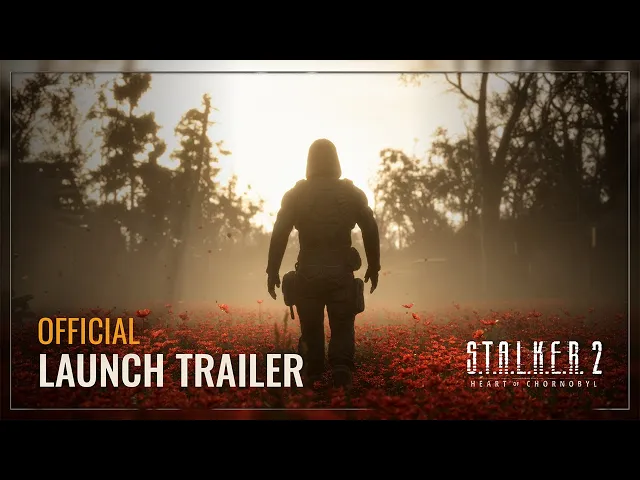
Penggemar S.T.A.L.K.E.R. dan permainan bertahan hidup yang berlatar di zona bencana radioaktif telah menunggu sekuel sejak 2009. Pada satu titik, peluang untuk melihatnya dirilis tampak sekecil peluang melihat Half-Life 3 atau Bloodborne muncul di PC. Namun pada tahun 2024, S.T.A.L.K.E.R. 2: Heart of Chornobyl akhirnya hadir di rak toko dan membawa pemain kembali ke Zona — Zona Eksklusi Chornobyl, meskipun dalam realitas alternatif di mana hukum fisika telah terdistorsi dan hutan serta rawa dipenuhi dengan mutant dan faksi manusia yang berperang.
Dengan latar belakang pasca-apokaliptik Eropa Timur, permainan ini menantang pemain untuk bertahan hidup dengan mengelola tingkat kelaparan dan radiasi, melawan makhluk yang bermutasi dan NPC yang bermusuhan, melemparkan baut logam ke depan untuk mendeteksi anomali, dan menavigasi hubungan kompleks antara faksi yang bersaing. Menurut penggemar S.T.A.L.K.E.R. yang sudah lama, kekuatan terbesar permainan ini adalah atmosfernya yang unik dan melankolis, yang diciptakan oleh pemandangan suram, sesi gitar di sekitar api unggun, kenyamanan tempat berlindung yang aman, dan ketakutan konstan akan yang tidak diketahui.
ARC Raiders
Kesuksesan ARC Raiders mengejutkan banyak orang. Tampaknya penonton sudah bosan dengan permainan tembak-menembak ekstraksi kooperatif dan proyek ini ditakdirkan untuk gagal. Namun, skeptisisme itu dengan cepat berubah menjadi kekaguman: permainan ini mendapatkan skor Metacritic 86, pencapaian langka untuk rilis multiplayer.
Gaya visualnya menggabungkan retrofuturisme, teknologi canggih, dan estetika dunia yang hancur dan berkarat. Dalam post-apokalips sci-fi yang jauh ini, Bumi telah diserang dan hampir sepenuhnya dihancurkan oleh mesin ARC yang canggih. Tujuan utama pemain adalah untuk mendarat di peta, mengumpulkan loot berharga dan komponen robot, dan mencapai titik ekstraksi dengan selamat. Alih-alih menghadapi zombie, mutan, atau perampok, mereka berhadapan dengan mesin cerdas yang perilakunya memaksa skuad untuk terus menyesuaikan taktik mereka. Untuk lebih lanjut tentang mengapa permainan ini layak dicoba meskipun Anda sudah bosan dengan permainan tembak-menembak ekstraksi, baca ulasan ARC Raiders kami.
Dying Light: The Beast
Dying Light: The Beast membawa Kyle Crane, protagonis dari permainan asli, kembali beraksi setelah sepuluh tahun menghilang. Crane menghabiskan semua tahun itu dipenjara oleh Baron, seorang tiran lokal yang menjadikannya subjek eksperimen brutal. Setelah melarikan diri, ia berangkat untuk membalas dendam sambil belajar memanfaatkan konsekuensi dari eksperimen tersebut: DNA zombie telah memberinya kekuatan superhuman, cakar seperti hewan, dan gerakan penyelesaian yang buas. Cerita berlangsung di Castor Woods, sebuah kota resor di hutan Alpen yang telah dikuasai oleh yang terinfeksi.
Formula yang familiar dari seri ini segera dikenali: parkour atap, pertempuran jarak dekat dengan senjata improvisasi, dan siklus siang-malam yang membawa makhluk paling berbahaya ke jalanan setelah gelap. Seluruh kampanye dapat diselesaikan dalam kooperasi empat pemain. Kritikus juga menyambut kembalinya Crane: skor Metacritic-nya 78 adalah yang tertinggi dalam sejarah waralaba. Tidak setiap keputusan desain berhasil dengan sama, namun, seperti yang dijelaskan dalam ulasan Dying Light: The Beast.
Road to Vostok
Road to Vostok masih dalam akses awal dan sedang dikembangkan oleh seorang kreator tunggal dari Finlandia. Namun demikian, game ini sudah dibandingkan dengan beberapa contoh terbaik dari genre pasca-apokaliptik: game ini terjual 140.000 salinan dalam lima hari pertama. Pemain memasuki wilayah yang hancur akibat bencana yang tidak diketahui. Mencapai zona aman berarti mencari bangunan yang ditinggalkan, mengumpulkan loot, mendirikan basis, dan meningkatkan senjata. Namun, tidak ada mutant, zombie, senjata laser, atau anomali. Ancaman utama adalah alam liar yang tidak bersahabat, sumber daya yang langka, hewan liar, dan patroli penyintas yang bermusuhan.
Suasana saja sudah membuat game ini layak untuk dialami: ketegangan, isolasi, dan iklim Skandinavia yang lembap. Banyak mekaniknya terinspirasi oleh Escape from Tarkov, tetapi tanpa komunitas toksik yang sering diasosiasikan dengan proyek multiplayer semacam ini.
Cronos: The New Dawn
Cronos: The New Dawn adalah game horor bertahan hidup fiksi ilmiah dari Bloober Team, studio di balik remake Silent Hill 2 . Bumi telah mengalami bencana yang mengubah orang menjadi massa daging yang grotesk. Protagonis, seorang agen dari Kolektif yang misterius, melakukan perjalanan antara Polandia masa depan yang hancur dan tahun 1980-an untuk mengekstrak jiwa orang-orang sesaat sebelum kematian mereka.
Dalam hal gameplay, ini adalah pengalaman horor bertahan hidup tradisional dalam gaya Dead Space, dengan koridor sempit, amunisi terbatas, dan konfrontasi yang tegang. Fitur yang membedakannya adalah mekanik penyerapan: jika pemain gagal membakar tubuh musuh yang dikalahkan, monster berikutnya dapat bergabung dengannya dan menjadi lebih kuat. Ini suram, mengganggu, dan benar-benar tidak biasa — dan mendapat skor Metacritic 79.
Hell is Us
Hell is Us adalah permainan aksi dengan elemen soulslike, yang berlatar di sebuah negara yang hancur akibat perang saudara sementara ancaman supernatural muncul dari bawah tanah. Akhir dunia bukanlah peristiwa jauh di masa lalu — itu terjadi di depan mata pemain. Ini adalah perspektif langka untuk genre ini: pasca-apokalips yang masih berlangsung.
Protagonis, Rémi, kembali ke tanah airnya yang terisolasi dalam pencarian orang tuanya, hanya untuk mendapati dirinya terjebak di antara penjahat perang dan makhluk hampa yang misterius. Permainan ini dengan sengaja menolak untuk membimbing pemain: tidak ada peta yang dipenuhi penanda dan tidak ada log misi, hanya pengamatan yang cermat, percakapan dengan para penyintas, dan skor Metacritic 78 untuk ide-ide beraninya.
RPG Pasca-Apokalips
Sedikit orang yang ingat hari ini bahwa permainan video pasca-apokalips dimulai dengan RPG — khususnya Wasteland tahun 1988, yang kemudian menginspirasi seri Fallout. RPG pasca-apokalips modern menampilkan dunia terbuka, misi nonlinier, dan dilema moral di mana keputusan pemain dapat menentukan nasib seluruh pemukiman. Penggemar genre ini juga harus melihat peringkat RPG terbaik sepanjang masa.
Fallout: New Vegas
Franchise Fallout ikonik dengan caranya sendiri, tetapi Fallout: New Vegas memiliki tempat istimewa baik dalam seri maupun di hati para penggemarnya. Mengapa? Itu dikembangkan oleh pencipta permainan asli yang telah bergabung dengan Obsidian Entertainment, itulah sebabnya karakter dan faksi dalam permainan ini tidak dapat dengan mudah dibagi menjadi "baik" dan "jahat," sementara cerita mengikuti struktur nonlinier. Hampir setiap misi dapat diselesaikan dengan beberapa cara: melalui kekuatan, kecerdikan, diplomasi, atau keahlian ilmiah.
Pemain memasuki gurun Las Vegas, di mana perang nuklir global telah meninggalkan lanskap gurun berdampingan dengan papan kasino neon dan penjaga keamanan robot. Tidak seperti banyak permainan pasca-apokalips, New Vegas menggambarkan dunia yang telah bertahan. Penghuninya tidak lagi berjuang hanya untuk sumber daya, tetapi untuk kekuasaan politik. Pada saat yang sama, permainan ini dengan mahir menyeimbangkan isu politik serius dengan komedi hitam dan absurditas yang nyata. Kami mengulasnya kembali dalam retrospektif ulang tahun ke-15 Fallout: New Vegas.
Fallout 4
Pada saat Fallout 4 dirilis, waralaba ini sudah berada di tangan Bethesda Softworks, yang mengalihkan fokus seri dari sistem RPG tradisional ke arah aksi. Settingnya adalah Boston yang hancur dan area sekitarnya. Di balik latar belakang era atom ini, pemain harus menyelesaikan konflik antara Institute dan beberapa faksi penyintas: Brotherhood of Steel, Railroad, dan Minutemen.
Sesuai dengan tradisi seri, permainan ini menawarkan dunia yang luas untuk dijelajahi, penargetan dinamis bagian tubuh yang rentan melalui V.A.T.S., tumpukan loot yang diperlukan untuk memodifikasi peralatan, membangun basis, dan mengelola pemukiman, serta estetika retrofuturist yang menjadi ciri khas waralaba — jazz ceria yang diputar di radio, mesin penjual Nuka-Cola, sapi mutan berkepala dua, dan asisten robot. Dibandingkan dengan dunia suram dari Metro atau The Last of Us, Fallout 4 terasa hidup dan penuh warna. Pemain tidak hanya berjuang untuk bertahan hidup, tetapi juga membangun kembali peradaban dari reruntuhan.
Fallout 3
Fallout 3 adalah permainan yang mengubah seri ini menjadi 3D pada tahun 2008 dan memperkenalkan jutaan pemain ke alam semesta Fallout. Protagonis tumbuh di Vault 101 sebelum menjelajahi Capital Wasteland — reruntuhan Washington, D.C. — dalam pencarian ayahnya yang hilang. Sepanjang perjalanan, pemain menentukan nasib pemukiman, bernegosiasi dengan ghoul, melawan Enclave, dan mendengarkan Galaxy News Radio yang legendaris.
Di sinilah sistem penargetan V.A.T.S. yang menjadi ciri khas dan formula “keluar dari vault dan pergi ke mana saja” pertama kali muncul, yang kemudian akan disempurnakan oleh Fallout 4. Permainan ini memiliki skor Metacritic 91, yang masih menjadi rekor untuk seri utama. Hanya ada satu catatan: di PC Windows modern, mungkin memerlukan patch komunitas.
Fallout 76
Fallout 76 adalah permainan multiplayer yang memungkinkan pemain menjelajahi gurun West Virginia bersama orang lain. Proyek ini menerima sambutan yang kurang baik saat diluncurkan pada tahun 2018, tetapi bertahun-tahun pembaruan — yang paling penting, ekspansi Wastelanders dengan NPC manusia dan misi yang sepenuhnya dikembangkan — mengubah situasi. Permainan ini sekarang memiliki rating "Mostly Positive" di Steam berdasarkan lebih dari 130.000 ulasan.
Pemain dapat mendirikan C.A.M.P. hampir di mana saja di peta, bekerja sama dengan teman untuk melakukan serangan, meluncurkan rudal nuklir, atau sekadar menjalani kehidupan di gurun dengan berdagang, mengumpulkan sumber daya, dan bermain peran. Bagi siapa pun yang pernah menginginkan "Fallout bersama teman," sekarang ini adalah pilihan yang sangat layak.
Wasteland 3
Wasteland 3 menggantikan gurun yang familiar dengan negara bagian Colorado yang beku, yang dikuasai dengan tangan besi oleh Patriark yang karismatik. Berbeda dengan Fallout, permainan ini tidak menempatkan pemain dalam kendali seorang Chosen One yang sendirian, tetapi sebuah organisasi paramiliter yang utuh. Wasteland 3 adalah RPG taktis berbasis partai isometrik di mana pemain membangun kembali markas mereka, merekrut personel, dan menyeimbangkan kepentingan yang bersaing dari otoritas lokal, geng perampok, fanatik agama, dan klan gunung liar.
Permainan ini menonjol karena kemajuan skuadnya, dengan keterampilan yang secara langsung memengaruhi cerita, serta komedi hitam yang kejam, satir budaya Amerika, dan pilihan yang secara moral abu-abu. Pemain terus-menerus dipaksa untuk memilih yang lebih sedikit dari dua kejahatan: pengkhianatan atau kematian, bertahan hidup atau tawar-menawar dengan seorang tiran.
Wasteland 2
Wasteland 2 menghidupkan kembali permainan yang mendirikan genre ini, memberikan sekuel yang ditunggu-tunggu oleh penggemar selama 26 tahun. Perang nuklir telah membakar Arizona, dan Desert Rangers tetap menjadi satu-satunya bentuk hukum di antara reruntuhan radioaktifnya. Pemain mengendalikan salah satu skuad mereka, mendistribusikan keterampilan mulai dari membuka kunci hingga bedah lapangan, dan membuat keputusan yang memungkinkan beberapa pemukiman berkembang sementara yang lain terjerumus ke dalam kehancuran.
Versi Director's Cut menambahkan pengisi suara, sistem keahlian, dan visual yang sangat ditingkatkan, mendapatkan skor Metacritic sebesar 87. Ini adalah permainan yang lebih kering dan menuntut dibandingkan Wasteland 3, tetapi juga merupakan proyek yang menghidupkan kembali RPG berbasis partai klasik di wasteland.
ATOM RPG
ATOM RPG dibuat sebagai penerus spiritual dari permainan Fallout yang asli, menawarkan pengalaman bermain peran klasik di Wasteland Soviet, yang telah hancur akibat perang nuklir. Pertarungan berbasis giliran dan diatur oleh poin aksi. Pemain harus memantau tingkat kelaparan dan radiasi mereka sambil menggunakan persediaan yang ditemukan untuk membuat amunisi dan obat-obatan.
Penggemar permainan Fallout yang asli, Wasteland, atau Arcanum akan merasa betah, terutama jika mereka menikmati misi non-linear dan latar yang sangat Soviet. Di sini, itu berarti mengumpulkan kertas bekas, mendiskusikan komunisme, menggunakan vodka untuk mengobati penyakit radiasi, dan terjebak dalam perselisihan kriminal di tengah wasteland nuklir. Dunia ATOM RPG adalah abu-abu, brutal, dan sinis: semua orang bertahan hidup dengan cara mereka sendiri, dan monster paling berbahaya adalah orang-orang yang telah kehilangan kemanusiaan mereka. Lebih banyak permainan dengan latar yang serupa dapat ditemukan dalam peringkat permainan pasca-apokaliptik Soviet terbaik.
ATOM RPG Trudograd
ATOM RPG Trudograd adalah sekuel langsung dari ATOM RPG di mana para pengembang menerima kritik dengan serius dan memperbaiki segala hal mulai dari sistem pertarungan dan penyeimbangan hingga desain misi. Protagonis melakukan perjalanan ke Trudograd, sebuah metropolis Soviet yang selamat di mana birokrasi partai, kejahatan terorganisir, dan kultus agama sedang berjuang untuk kekuasaan saat bencana lain mendekat.
Dengan blok apartemennya, trem, dan perumahan komunal, kota ini terasa sangat berbeda dari wasteland di permainan pertama. Jumlah solusi yang mungkin juga telah meningkat: hampir setiap masalah dapat ditangani melalui kekuatan, sains, pencurian, atau kemampuan berbicara.
UnderRail
UnderRail sering digambarkan sebagai “Fallout bawah tanah,” dan itu adalah ringkasan yang cukup akurat. Permukaan Bumi telah menjadi tidak dapat dihuni sejak lama, memaksa umat manusia ke dalam terowongan jaringan bawah tanah yang luas di mana matahari hanya bertahan dalam legenda. Pemain adalah pendatang baru di Stasiun South Gate yang secara bertahap terlibat dalam intrik negara bawah tanah, perang faksi, dan rahasia teknologi dunia yang telah mati.
Ini mungkin adalah RPG isometrik yang paling tidak memaafkan dalam genre ini: tidak ada skala level, pohon keterampilan dan kemampuan psionik sangat besar, dan setiap pertarungan dapat berakhir dengan kematian dalam beberapa giliran. Sebagai imbalannya, permainan ini memberikan rasa penemuan yang jarang, dengan terowongan gelap yang menyembunyikan rahasia yang tidak akan diungkapkan oleh penanda pencarian. Kritikus memberikannya sambutan yang relatif dingin, tetapi pemain telah lama mengakui UnderRail sebagai klasik modern dalam genre ini.
NieR: Automata
Pada tahun 11945, umat manusia telah bertahan di NieR: Automata, tetapi telah menyerahkan Bumi kepada mesin-mesin yang bermusuhan dan melarikan diri ke Bulan. Untuk merebut kembali planet ini, manusia menciptakan pasukan android yang ditugaskan untuk menjelajahi reruntuhan kota yang telah direbut kembali oleh vegetasi subur, gurun, dan taman hiburan yang ditinggalkan. Dalam istilah gameplay, NieR: Automata adalah permainan hack-and-slash yang cepat dengan elemen RPG. Sistem pertarungannya yang bergaya berputar di sekitar kombo cepat, penghindaran yang tepat waktu, dan serangan balik, sementara mekanika peran memerlukan alokasi sumber daya yang hati-hati untuk memodifikasi kemampuan karakter.
Tidak seperti pasca-apokalips tradisional di mana para penyintas membagi sumber daya dan berperang satu sama lain, tidak ada manusia di sini. Sebaliknya, cerita mengikuti android dan mesin yang mencoba memahami apa artinya “menjadi manusia.” Permainan ini menggunakan latar belakang pasca-apokalipsnya untuk mengeksplorasi cinta, kebencian, sifat siklis perang, dan makna kemanusiaan. Musik latar yang mahir — dan, tentu saja, protagonis 2B — membantu menjadikannya fenomena global.
NieR Replicant ver.1.22474487139...
NieR Replicant ver.1.22474487139... adalah versi terbaru dari NieR yang asli dan merupakan prekuel dari Automata, yang terjadi ribuan tahun sebelumnya. Dunia telah mengalami apokalipsnya: umat manusia sekarat akibat Black Scrawl, sementara Shades misterius berkeliaran di reruntuhan. Protagonis adalah seorang pemuda yang bersedia melakukan apa saja untuk menyelamatkan saudara perempuannya yang sakit parah.
Remaster tahun 2021 memperbaiki sistem pertarungan dengan gaya Automata, memperkenalkan kombinasi cepat, sihir, dan urutan terkenal dari seri di mana permainan tiba-tiba berubah menjadi penembak atau bahkan petualangan teks. Namun, kekuatan terbesarnya adalah cerita — salah satu yang paling menyentuh dalam genre ini, dengan akhir yang membutuhkan beberapa kali permainan untuk dialami sepenuhnya.
Horizon Zero Dawn
Horizon Zero Dawn memulai cerita Aloy dan menyajikan salah satu versi “pasca-apokalips hijau” yang paling mencolok secara visual. Seribu tahun setelah keruntuhan peradaban, Bumi kembali berkembang, suku manusia hidup dengan berburu, dan mesin-mesin mirip hewan berkeliaran di hutan dan pegunungan. Seorang terasing berambut merah berangkat untuk menemukan siapa dirinya, mengungkap kebenaran di balik kehancuran dunia lama di sepanjang jalan — salah satu misteri fiksi ilmiah terbaik dalam permainan.
Taktik berburu adalah segalanya: setiap mesin memiliki titik lemah masing-masing, yang harus ditargetkan dengan busur dan sling, sementara binatang buas yang paling berbahaya sebaiknya dijebak. Versi Remastered membawa visual ke tingkat Forbidden West. Yang asli mendapatkan skor Metacritic sebesar 89.
Horizon Forbidden West
Dalam Horizon Forbidden West, Aloy menjelajahi hutan yang subur, reruntuhan neon San Francisco yang terendam, dan gurun yang terbakar sambil berusaha mencegah apokalips lainnya. Dunianya berwarna-warni dan hidup: alam telah pulih lama yang lalu, sementara umat manusia telah memulai perjalanan baru dengan suku, tombak, dan berburu. Ancaman tidak datang dari zombie atau radiasi, tetapi dari mesin canggih yang awalnya diciptakan oleh manusia itu sendiri.
Seri Horizon dimulai sebagai eksklusif Sony dan dikenal karena dunia terbuka yang berwarna-warni, perburuan taktis yang dibangun di sekitar penargetan komponen yang rentan, pertempuran melawan raksasa mekanis, dan lore fiksi ilmiah yang luas yang menjelaskan bagaimana mesin mewarisi Bumi.
Jenis pasca-apokalips mana yang paling menarik bagi Anda dalam video game?
Permainan Aksi dan Penembak Pasca-Apokaliptik
Permainan pasca-apokaliptik klasik seperti Fallout telah mengajarkan kita bahwa senapan shotgun praktis sangat penting untuk bertahan hidup di antara reruntuhan dunia lama. Bagaimana lagi seseorang bisa mendapatkan makanan dan sumber daya atau membela diri dari mutan, zombie, dan penyintas lain yang menginginkan barang-barang mereka? Bagian ini mencakup permainan aksi dan penembak terbaik dengan latar belakang pasca-apokaliptik, mulai dari stasiun kereta bawah tanah dan tanah tandus neon hingga penembak zombie kooperatif. Penggemar genre yang lebih luas juga harus mengunjungi peringkat permainan aksi-petualangan terbaik.
Metro 2033 Redux / Metro: Last Light Redux
Metro 2033 dan Metro: Last Light membuka trilogi berdasarkan novel Dmitry Glukhovsky, dan edisi Redux yang diperbarui adalah tempat terbaik untuk mulai menjelajahi seri ini. Setelah perang nuklir, penghuni Moskow yang tersisa bertahan hidup di stasiun bawah tanah. Setiap stasiun telah menjadi negara kecil dengan ideologinya sendiri, amunisi pra-perang berfungsi sebagai mata uang, dan tidak ada yang berani pergi ke permukaan tanpa masker gas.
Permainan pertama menceritakan kisah Artyom, yang harus menyelamatkan stasiun rumahnya, VDNKh, dari Kegelapan yang misterius. Yang kedua adalah sekuel langsung dengan set piece yang lebih rumit dan pilihan moral. Keduanya tetap menjadi salah satu penembak horor klaustrofobik terbaik dalam genre ini: edisi Redux memiliki 92% dan 91% ulasan pengguna positif di Steam. Baca lebih lanjut tentang kekuatan Metro 2033 dalam retrospektif ulang tahun Metro 2033.
Metro Exodus
Metro Exodus membawa pemain dalam perjalanan melintasi Rusia pasca-apokaliptik. Meninggalkan terowongan kelam Moskow Metro, Exodus memindahkan aksi ke serangkaian lokasi yang luas dan beragam: lanskap musim dingin beku di Volga, Laut Kaspia yang mengering, taiga musim panas yang subur, dan Novosibirsk di musim gugur. Permainan ini menggabungkan elemen penembak, horor bertahan hidup, dan sandbox. Persediaan harus dibuat dari barang rampasan yang ditemukan, senjata perlu dibersihkan, dan masker gas yang rusak harus diperbaiki.
Tidak ada dunia terbuka konvensional, hanya serangkaian lokasi semi-terbuka. Juga tidak ada meter reputasi yang terlihat: permainan ini secara diam-diam melacak keputusan pemain melalui sistem moralitas tersembunyi dan memilih akhir yang sesuai. Ini disertai dengan suasana pasca-Soviet yang jelas, lengkap dengan mesin berat yang berkarat, interior blok apartemen Khrushchyovka yang ditinggalkan, belantara Siberia yang keras, dan lagu-lagu yang dinyanyikan di sekitar api unggun.
The Last of Us Part 1 dan The Last of Us Part 2 (Remastered)
The Last of Us menjauh dari ide umum tentang perang nuklir atau wabah zombie sebagai penyebab apokalips. Ancaman terbesar di dunia ini adalah jamur parasit yang mengubah orang menjadi makhluk yang gila dan agresif. Namun, berbeda dengan banyak permainan pasca-apokaliptik lainnya, protagonisnya, Joel dan Ellie, tidak berusaha menyelamatkan dunia. Sebaliknya, peradaban yang hancur menjadi latar belakang untuk cerita pribadi mereka yang mendalam.
Kedua permainan ini menjadi terkenal karena presentasi sinematik dan penulisan yang banyak diidamkan oleh banyak serial televisi: prolog dari yang asli masih dianggap sebagai salah satu yang paling kuat di industri. Ini adalah “pasca-apokalips hijau” di mana reruntuhan gedung pencakar langit telah ditumbuhi lumut dan pohon, jalanan telah terendam, dan hewan liar serta mutan agresif berkeliaran di lingkungan yang ditinggalkan. Pemain harus menembak mereka, bersembunyi dari mereka, atau lari untuk menyelamatkan diri.
Days Gone
Days Gone jelas ditujukan tidak hanya untuk penggemar pengaturan pasca-apokalips, tetapi juga untuk pengagum budaya pengendara motor. Cerita berlangsung di Pacific Northwest setelah pandemi global yang mengubah sebagian besar umat manusia menjadi Freakers — makhluk cepat dan ganas yang menyerupai zombie. Di tengah latar belakang puncak bersalju, hutan konifer yang lebat, dan pertanian yang ditinggalkan, cerita tentang pengendara motor Deacon dan teman-temannya dimulai.
Sepeda motor secara efektif menjadi teman sejati: ia membutuhkan bahan bakar, perbaikan, dan peningkatan. Tambahkan cuaca dinamis, pos pemeriksaan untuk dibersihkan, dan pertempuran besar melawan gerombolan yang membuat permainan ini terkenal. Days Gone juga menonjol karena soundtrack melankolisnya, penanganan sepeda motor yang responsif, estetika pengendara motor outlaw, dan monster yang berperilaku seperti bagian dari ekosistem. Freakers — nama permainan untuk zombinya — makan, tidur, dan bahkan bermigrasi seperti hewan liar. Jika mayat hidup adalah kesukaan Anda, jangan lewatkan pilihan permainan zombie terbaik kami.
Dying Light
Pada tahun 2015, Dying Light menunjukkan bahwa kiamat zombie paling menarik saat dialami dalam gerakan. Harran telah dilanda epidemi, dan protagonis Kyle Crane melintasi kota dengan menggunakan parkour: atap, dinding, dan zipline semuanya lebih cepat dan lebih aman daripada jalanan. Di siang hari, pemain mencari bangunan dan membantu para penyintas. Di malam hari, aturannya berubah: Volatiles muncul untuk berburu, dan pemain menjadi mangsanya.
Satu dekade kemudian, permainan ini tetap menjadi favorit di kalangan komunitas. Peringkat positif 95% di Steam, berdasarkan hampir setengah juta ulasan, adalah sesuatu yang sangat sedikit judul yang capai. Co-op empat pemain, banyak konten yang termasuk dalam Enhanced Edition, dan pertarungan jarak dekat yang memuaskan masih tetap ada. Mereka yang menikmatinya dapat melanjutkan cerita Crane dalam Dying Light: The Beast, yang ditampilkan di dekat awal peringkat ini.
Mad Max
Waralaba film Mad Max meletakkan dasar untuk post-apokalips dieselpunk: sebuah setting yang didefinisikan oleh gurun yang tak berujung, geng perampok, kendaraan berkarat, dan pemujaan terhadap mesin pembakaran dalam. Oleh karena itu, sangat mengecewakan bahwa dunia Mad Max hanya diwakili oleh satu video game besar hingga saat ini — Mad Max. Untungnya, ini adalah permainan yang cukup menarik.
Peradaban telah runtuh, masyarakat telah jatuh ke dalam kebiadaban, dan Max terlibat dalam perang jalanan yang brutal bersama seorang mekanik yang bungkuk. Bahan bakar, barang rampasan, kendaraan, dan kehidupan Max sendiri semuanya dipertaruhkan. Tidak seperti kebanyakan permainan tentang akhir dunia, Mad Max memperlakukan mobil sebagai protagonis kedua yang berdiri sendiri — yang tanpanya bertahan hidup di gurun akan menjadi mustahil.
Rage 2
Rage 2 menggabungkan post-apokalips punk yang mencolok yang mengingatkan pada film Mad Max dengan teknologi canggih dan warna-warna mencolok. Kombinasi itu bukan kebetulan: permainan ini dikembangkan bersama oleh id Software, studio di balik seri DOOM, dan Avalanche Studios, pencipta Mad Max. Umat manusia selamat dari tabrakan meteor, tetapi protagonis sekarang harus menghadapi tentara sibernetik Jenderal Cross bersama geng-geng punk dan perampok.
Permainan ini sepenuhnya menolak nada abu-abu yang menyedihkan yang biasanya diasosiasikan dengan cerita tentang akhir dunia. Rage 2 membangun identitas visualnya di sekitar warna pink cerah, ungu, warna neon, ledakan, dan desain musuh yang mencolok. Tidak perlu menghemat amunisi, bersembunyi di semak-semak, atau takut radiasi. Protagonis adalah mesin pembunuh sejati, membantai gerombolan musuh di latar belakang post-apokaliptik.
Far Cry New Dawn
Ubisoft memiliki visi sendiri tentang pasca-apokalips: berwarna-warni, merah muda, diterangi neon, dan sama sekali tidak menyedihkan. Dalam Far Cry New Dawn, 17 tahun setelah ledakan nuklir, Hope County di Montana telah menjadi tanah tandus yang berkembang pesat daripada gurun abu-abu. Sekarang, tempat itu diteror oleh perampok yang dipimpin oleh saudara kembar Mickey dan Lou. Pemain membangun kembali pemukiman penyintas Prosperity, membebaskan pos-pos, dan mengumpulkan etanol, mata uang utama dunia baru.
Ini adalah sekuel langsung dari Far Cry 5, lengkap dengan mekanik khas seri: teman spesialis, termasuk anjing dan nenek penembak jitu, pembajakan kendaraan, dan menembak apa pun yang bisa terbakar. Ini bukan permainan yang paling mendalam dalam peringkat ini, tetapi ini membuat petualangan pasca-apokalips "ringan" yang sangat baik selama beberapa malam.
Death Stranding
Death Stranding adalah permainan terkenal Hideo Kojima tentang seorang kurir yang menghubungkan kembali Amerika. Setelah bencana yang dikenal sebagai Death Stranding, dunia orang hidup dan mati telah saling terkait. BT yang tidak terlihat berkeliaran di tanah, timefall mempercepat usia segala sesuatu yang disentuhnya, dan para penyintas bersembunyi di tempat perlindungan bawah tanah. Sam Porter Bridges adalah salah satu dari sedikit orang yang mampu membawa pasokan melalui mimpi buruk ini.
Di atas kertas, "simulator pengiriman" terdengar membosankan. Dalam praktiknya, itu menjadi hampir meditatif: pemain merencanakan rute melintasi gunung dan sungai, lalu membangun jalan dan jembatan yang dapat digunakan oleh pemain lain. Director's Cut menambahkan misi dan mekanik baru, dan yang asli adalah persiapan penting untuk sekuel.
Death Stranding 2: On the Beach
Pasca-apokalips dari Death Stranding 2: On the Beach adalah persis seperti yang diharapkan dari produksi Kojima: surreal, mistis, dan kadang-kadang absurd. Sekuel ini membawa Sam melampaui Amerika ke Meksiko dan Australia, memberinya sebuah kapal yang berfungsi sebagai basis mobile, dan memberikan penekanan yang jauh lebih besar pada aksi. Gunplay, khususnya, terasa jauh lebih baik.
Franchise Death Stranding mengubah "simulator berjalan" menjadi "simulator pengiriman," menggabungkan latar pasca-apokaliptik dengan fisika penyeimbangan kargo, baku tembak melawan perampok dan monster, serta perjalanan kendaraan melintasi lanskap yang melankolis. Kepuasan tidak datang dari menghancurkan pos musuh, tetapi dari mengantarkan pengiriman dengan aman, membangun kembali jembatan, dan memberikan kontribusi kecil untuk pemulihan kolektif umat manusia. Kritikus juga terkesan, memberikan skor Metacritic 89 untuk permainan ini. Untuk perspektif lengkap kami, baca ulasan Death Stranding 2: On the Beach.
Stellar Blade
Stellar Blade berlangsung di sebuah pasca-apokalips fiksi ilmiah di mana Bumi telah dikuasai oleh ras makhluk biomekanik yang grotesk. Protagonis Eve harus mengeliminasi para pemimpin invasi dan merebut kembali planet ini untuk umat manusia. Identitas visual permainan ini menggabungkan futurisme Korea dan cyberpunk: kota-kota yang terkubur pasir dari dunia lama, laboratorium bawah tanah, dan tempat perlindungan terakhir yang tersisa di planet ini.
Fitur utamanya adalah sistem pertarungan yang bergaya yang dibangun di sekitar parry dan dodge yang tepat yang mengingatkan pada soulslikes, serta soundtrack yang sangat baik. Alih-alih menjadi gurun yang berkarat dan kotor, Stellar Blade merangkul cyber-futurisme yang dipoles, dengan android yang bersih dan lampu neon yang berdiri dalam kontras tajam dengan reruntuhan Bumi.
Terminator: Resistance
Terminator: Resistance adalah pengecualian dari aturan bahwa permainan yang berdasarkan film jarang berhasil dengan baik. Faktanya, ini bisa dibilang adalah permainan terbaik yang pernah diterima oleh franchise Terminator. Cerita membawa pemain ke perang masa depan yang digambarkan dalam dua film pertama: Skynet telah membakar dunia dalam api nuklir, dan sisa-sisa umat manusia sedang melawan mesin di antara reruntuhan Los Angeles. Pribadi Jacob Rivers segera menemukan bahwa Skynet sedang memburunya secara pribadi.
Mata merah T-800 yang bersinar dalam kegelapan, soundtrack yang mudah dikenali, dan rasa konstan bahwa pemain adalah mangsa daripada pahlawan menangkap suasana perang masa depan dengan sempurna. Kritikus memberikan skor rata-rata untuk permainan ini, tetapi pemain menyambutnya: peringkat Steam-nya tetap di atas 90%. Bagi penggemar alam semesta ini, ini adalah permainan yang wajib dimainkan tanpa syarat.
Left 4 Dead 2
Left 4 Dead 2 tetap menjadi penembak zombie kooperatif definitif lebih dari 15 tahun setelah dirilis. Peringkat Steam-nya yang positif 97%, berdasarkan satu juta ulasan, berbicara untuk dirinya sendiri. Kiamat terjadi dalam hitungan minggu: kota-kota di seluruh Amerika Serikat bagian selatan jatuh ke dalam infeksi, militer dievakuasi, dan empat penyintas harus berjuang dari Savannah yang dilanda epidemi menuju New Orleans melalui gerombolan yang terinfeksi dan mutan khusus seperti Tank dan Witch.
Sihir yang sebenarnya datang dari AI Director, sebuah sistem yang secara dinamis mengubah penempatan musuh dan persediaan, memastikan bahwa tidak ada 2 permainan yang identik. Tambahkan ribuan kampanye yang dibuat oleh komunitas dari Steam Workshop, dan hasilnya adalah permainan kooperatif yang bisa dimainkan pemain tanpa batas. Baca lebih lanjut tentang judul serupa dalam pilihan kami yang luas tentang permainan kooperatif terbaik.
World War Z: Aftermath
Edisi Aftermath dari World War Z melanjutkan warisan dari Left 4 Dead. Berdasarkan alam semesta World War Z, penembak ini terkenal dengan gerombolan musuhnya: ratusan zombie memenuhi layar, membentuk piramida hidup dan memanjat dinding seperti yang mereka lakukan di film. Sebagian besar dunia telah kehilangan perang melawan mayat hidup, dan skuad penyintas harus berjuang melalui kota-kota yang jatuh seperti New York, Moskow, Yerusalem, Roma, dan Kamchatka. Kelas karakter dan kemajuan senjata menambah kedalaman RPG pada penembakan.
Edisi Aftermath memperkenalkan perspektif orang pertama, kampanye baru, dan sistem pertarungan jarak dekat yang diperluas. Ini adalah alternatif yang sangat baik bagi siapa saja yang telah memainkan Left 4 Dead 2 sampai bosan dan menginginkan sesuatu yang lebih besar dalam skala dan lebih modern.
Permainan Bertahan Hidup Pasca-Apokaliptik
Bertahan hidup dan pasca-apokalips adalah pasangan yang alami: mencari makanan, melawan mutan, dan berlindung dari dingin dan radiasi. Bagian ini mengumpulkan permainan bertahan hidup terbaik dengan latar belakang pasca-apokaliptik, termasuk pengalaman solo dan judul kooperatif untuk dimainkan bersama teman. Lebih banyak permainan bertahan hidup, mulai dari pengalaman hardcore yang tak kenal ampun hingga sandbox yang nyaman, dapat ditemukan dalam peringkat permainan bertahan hidup terbaik kami.
Dying Light 2 Stay Human
Dying Light 2 Stay Human memperluas formula dari yang asli: parkour orang pertama yang dinamis, pertempuran jarak dekat melawan zombie, pembuatan senjata, dan siklus siang-malam semuanya ada. Protagonis Aiden terinfeksi dan mendapati dirinya di benteng terakhir yang selamat dari umat manusia setelah epidemi zombie, di mana masyarakat telah mundur dan orang-orang berperang untuk sumber daya.
Parkour yang diterapkan dengan brilian mengubah eksplorasi menjadi balapan kecepatan tinggi melintasi atap dan balkon — bahkan melalui udara dengan bantuan parasut. Pemain dapat melintasi seluruh distrik tanpa menyentuh tanah sekalipun. Desain visual yang khas memberikan permainan lebih banyak kepribadian. Alih-alih pemandangan kehancuran yang familiar, ia menyajikan “Abad Pertengahan baru,” lengkap dengan kembalinya senjata jarak dekat, pasar yang dibangun di dalam stasiun metro yang ditinggalkan, dan bibit yang tumbuh dalam kotak di atap.
7 Days to Die
7 Days to Die terkenal karena menggabungkan penembak orang pertama, horor bertahan hidup, RPG, dan sandbox konstruksi voxel yang sepenuhnya berkembang yang mengingatkan pada Minecraft. Selama 6 hari, pemain mengumpulkan sumber daya, meningkatkan keterampilan mereka, membuat senjata dan amunisi, membangun benteng yang dilengkapi dengan perangkap, turret, dan kawat berduri, serta memantau rasa lapar, haus, dan suhu tubuh mereka. Pada hari ketujuh, gelombang besar zombie menyerang basis. Bertahanlah dari serangan tersebut, dan 6 hari tambahan diberikan untuk perbaikan dan persiapan.
Sebuah komunitas besar terbentuk di sekitar permainan selama bertahun-tahun dalam akses awal. Versi final memiliki rating "Sangat Positif" di Steam berdasarkan 400.000 ulasan. Pemain dapat mempertahankan benteng mereka sendirian atau bersama teman di server pribadi.
Project Zomboid
Project Zomboid menghadirkan apokalips zombie yang realistis di pedesaan Amerika tahun 1990-an. Berbeda dengan Fallout atau Days Gone, tidak ada penyelamatan umat manusia di sini. Karakter pemain akan mati; satu-satunya pertanyaan adalah seberapa lama mereka bisa bertahan. Zombie menguasai melalui jumlah yang sangat banyak, sementara opsi bertahan hidup yang tersedia sangat terbatas. Tidak ada penyimpanan otomatis, dan satu gigitan zombie berarti infeksi diikuti oleh kematian karakter yang tak terhindarkan beberapa hari kemudian. Pemain memutuskan sendiri jenis kehidupan apa yang ingin dijalani: seorang petani yang tenang di tepi hutan, seorang perampok yang berkeliaran bepergian dengan mobil, atau pemimpin kelompok penyintas yang membersihkan seluruh kota.
Frostpunk
Frostpunk adalah salah satu permainan strategi yang paling tidak biasa dalam dekade terakhir, yang dibuat oleh 11 bit studios. Ini adalah era Victoria, dunia cepat membeku, dan kota terakhir umat manusia berkumpul di sekitar generator raksasa yang digerakkan oleh batu bara. Pemain bukanlah pahlawan tetapi otoritas yang berkuasa: apakah kerja anak harus dilegalkan, apakah orang yang sakit parah harus diberi makan, dan apakah pembangkang harus dieksekusi? Setiap keputusan mendorong masyarakat menuju bertahan hidup atau tirani.
Klimaksnya adalah badai legendaris, dengan suhu turun di bawah -150°C dan membuat setiap kesulitan sebelumnya terasa seperti pemanasan. Yang asli lebih pendek dan lebih intim daripada sekuelnya, tetapi memberikan dampak emosional yang lebih kuat. Pertanyaan terakhirnya — “Kota bertahan, tetapi apakah itu sepadan?” — terus terngiang lama setelah akhir.
Frostpunk 2
Dalam Fallout atau Metro, pemain melawan monster, radiasi, dan perampok. Dalam Frostpunk 2, musuh terbesar umat manusia adalah umat manusia itu sendiri: keserakahan dan ketidakmampuan untuk berkompromi. Alih-alih gurun nuklir yang terbakar matahari, permainan ini menawarkan estetika langka dari sebuah kiamat es dan steampunk industri.
Pemain membangun sebuah kota, mendorong undang-undang melalui dewan, merajut intrik politik, dan mengorganisir ekspedisi pengintaian. Permainan ini dengan akurat menyampaikan apa artinya memerintah masyarakat yang terpecah: memuaskan semua orang adalah hal yang mustahil, dan setiap keputusan akan mengubah setidaknya satu faksi menjadi musuh yang pahit. Frostpunk 2 juga muncul dalam peringkat permainan membangun kota terbaik.
State of Decay 2
State of Decay yang asli adalah permainan yang menarik dan tidak konvensional, sementara sekuelnya, State of Decay 2, memperluas formula dengan dunia yang lebih besar dan mekanik baru. Ide dasar tetap sama: setelah wabah zombie, pemain tidak hanya harus bertahan hidup secara pribadi tetapi juga mengorganisir kehidupan seluruh komunitas. Ciri khasnya adalah kematian permanen. Jika seorang anggota kelompok terbunuh dalam pertempuran, permainan berlanjut dengan karakter lain yang memiliki seperangkat keterampilan yang berbeda. Selain mengumpulkan sumber daya dan mengembangkan basis, pemain harus melakukan serangan terhadap Plague Hearts — sarang zombie yang perlu dihancurkan untuk membuat area aman.
DayZ
DayZ dianggap layak sebagai salah satu permainan paling tanpa kompromi dalam genre bertahan hidup pasca-apokaliptik. Permainan ini berlangsung di sebuah negara fiksi pasca-Soviet yang hancur akibat epidemi zombie. Zombie itu sendiri lebih merupakan gangguan, namun. Lawan yang paling berbahaya adalah pemain lain. Tidak ada cara untuk mengetahui apakah seorang asing akan menawarkan bantuan atau menembak seseorang dari belakang untuk mendapatkan kaleng makanan.
Pemain harus memantau kondisi karakter mereka, memelihara senjata, membangun basis, dan memperbaiki kendaraan. Tidak ada mini-peta, kompas, penyorotan sumber daya, atau zona aman, sementara kematian berarti memulai ulang tanpa barang rampasan yang terkumpul.
The Long Dark
The Long Dark menawarkan pengalaman bertahan hidup yang paling tenang dalam peringkat ini. Tidak ada zombie atau mutan: sebuah bencana geomagnetik telah menonaktifkan semua elektronik, meninggalkan pilot Will Mackenzie sendirian di belantara Kanada yang beku. Musuhnya adalah dingin, kelaparan, serigala, dan kesalahan pemain itu sendiri. Kematian adalah permanen, sementara setiap cangkir teh panas di samping api terasa seperti kemenangan kecil.
Permainan ini telah berkembang selama lebih dari satu dekade dan sekarang mencakup mode cerita Wintermute, lengkap dengan karakter bersuara dan pilihan moral. Namun, inti dari The Long Dark tetap pada mode bertahan hidupnya, di mana pemain dapat bertahan selama ratusan hari dalam permainan sambil mempelajari kebiasaan predator dan sifat cuaca yang tidak terduga.
Kenshi
Kenshi tidak seperti yang lain dalam daftar ini. Ini adalah sandbox tanpa cerita atau pahlawan yang dipilih: karakter pemain adalah seorang yang tidak dikenal di dunia pasca-apokaliptik yang besar di mana para budak, kanibal, dan robot tempur kuno berkeliaran di gurun. Permainan ini tidak memberikan toleransi untuk pendatang baru — dalam satu jam pertama, protagonis kemungkinan besar akan dipukuli, dirampok, dan dijual menjadi budak.
Sebagai imbalannya, kebebasan hampir mutlak. Pemain dapat menjadi pedagang, membangun kota, merakit tentara, mengubah seorang cacat menjadi pendekar legendaris, atau mendirikan pertanian di tengah gurun asam. Dunia tidak berputar di sekitar pemain, dan itulah mengapa Kenshi sangat dicintai: ia telah tetap dekat dengan puncak peringkat pengguna Steam selama bertahun-tahun.
Chernobylite
Chernobylite adalah permainan bertahan hidup fiksi ilmiah yang berlatar di Zona Eksklusi Chornobyl, yang dibuat oleh The Farm 51. Studio ini menggunakan fotogrametri untuk memindai lokasi nyata di Pripyat. Fisikawan Igor kembali ke Zona 30 tahun setelah bencana untuk mencari tunangannya yang hilang. Hari-hari dihabiskan untuk menjelajah mencari sumber daya dan merekrut teman, sementara malam hari didedikasikan untuk meningkatkan basis dan mempersiapkan serangan akhir ke Pembangkit Listrik Tenaga Nuklir Chornobyl.
Fitur yang menentukan adalah struktur non-linear yang dibangun di sekitar loop waktu: teman yang mati dan keputusan yang gagal tidak selalu hilang selamanya, karena masa lalu dapat dimainkan kembali secara harfiah. Hutan radioaktif dan reruntuhan Soviet telah direkonstruksi dengan ketelitian dokumenter.
Once Human
Once Human adalah permainan survival multiplayer gratis yang berlatar di post-apokalips surreal. Dunia telah terkontaminasi oleh zat kosmik yang disebut Stardust, objek biasa telah menyatu dengan daging untuk membentuk monster grotesque, dan pemain adalah salah satu Meta-Manusia yang mampu bertahan dalam kegilaan ini. Konstruksi basis, kerajinan, bos raksasa, dan skenario musiman menyediakan cukup konten untuk ratusan jam.
Aset terbesar proyek ini adalah skala dan desain makhluk yang aneh. Sebuah menara yang menyatu dengan rusa, bus mirip gurita, dan makhluk lain yang mengingatkan pada cerita SCP sulit untuk dilupakan. Seperti permainan gratis lainnya, ia memiliki mikrotransaksi dan grinding, tetapi pemain meresponsnya dengan kehangatan yang mengejutkan.
Permainan Post-Apokalips Indie dan Tidak Konvensional
Genre post-apokalips telah mengumpulkan banyak klise yang familiar: tanah tandus nuklir, kota yang hancur, epidemi zombie, dan para penyintas yang saling merobek satu sama lain karena sumber daya yang langka... Namun, ada juga proyek yang lebih tidak konvensional. Beberapa menggabungkan mekanik yang jarang diasosiasikan dengan genre ini, sementara yang lain menyajikan akhir dunia dari perspektif yang tidak terduga.
Mutant Year Zero: Road to Eden
Dunia Mutant Year Zero: Road to Eden telah mengalami segalanya sekaligus: perang nuklir global, pandemi virus mematikan, dan krisis iklim. Umat manusia telah punah sepenuhnya, meninggalkan Bumi untuk para mutan — hewan antropomorfik dan humanoid yang tidak mengerti bagaimana dunia lama berfungsi. Menjelajahi reruntuhan dipadukan dengan pertempuran berbasis giliran dalam gaya XCOM. Mekanik sentralnya, bagaimanapun, adalah stealth. Serangan langsung adalah bunuh diri, jadi pemain harus terlebih dahulu menggunakan setiap alat perang gerilya yang mereka miliki: menyusun penyergapan, mempelajari rute patroli musuh, dan secara diam-diam mengeliminasi target yang terisolasi.
Tidak ada sistem bertahan hidup, perselisihan politik, atau faksi besar yang bersaing untuk kekuasaan. Dunia ini disajikan melalui mata para mutan yang mewarisi planet ini dan menganggap sisa-sisa budaya manusia dengan kebingungan yang tulus. Pertempurannya juga membuat Mutant Year Zero: Road to Eden mendapatkan tempat dalam peringkat permainan taktis terbaik kami.
Pacific Drive
Pacific Drive adalah contoh langka dari “permainan bertahan hidup di atas roda.” Teman utama pemain bukanlah anjing atau sepeda motor, tetapi sebuah mobil station wagon tua yang perlu diperbaiki, diisi bahan bakar, dan dilengkapi dengan peningkatan. Protagonis berulang kali membawanya dalam ekspedisi ke Zona Eksklusi Olimpiade, sebuah bagian terpencil dari Pacific Northwest di mana eksperimen pemerintah rahasia menyebabkan realitas itu sendiri terpecah. Anomali berkeliaran di hutan, sementara badai energi dapat merobek mobil tersebut.
Setiap ekspedisi mengikuti struktur permainan ekstraksi atau battle royale: mengumpulkan sumber daya, mencari laboratorium yang ditinggalkan, dan mencapai titik ekstraksi sebelum zona runtuh. Material yang diperoleh digunakan untuk meningkatkan garasi dan kendaraan, sementara siaran radio secara bertahap mengungkapkan cerita zona eksklusi. Kombinasi atmosferik dari kecemasan, nostalgia tahun 1990-an, dan rutinitas nyaman kehidupan di garasi ini membuat permainan ini mendapatkan skor Metacritic 79 dan ulasan “Sangat Positif” di Steam.
Darkwood
Di Darkwood, akhir dunia terlihat seperti ini: sebuah hutan yang mulai menyebar setelah bencana yang tidak diketahui telah menelan sebagian Polandia, memisahkan para penyintas dari dunia luar, dan perlahan-lahan membuat mereka gila. Selama siang, pemain menjelajahi alam liar dari perspektif atas, mengumpulkan sumber daya, dan berdagang dengan karakter yang mengganggu seperti Chicken Lady. Di malam hari, protagonis membarrikade tempat berlindung, menutup jendela, dan berharap bahwa apapun yang menggaruk di luar tidak akan menemukan celah dalam pertahanan.
Permainan ini dengan sengaja menghindari jump scare, lebih mengandalkan suasana yang menekan, desain suara, dan bidang pandang karakter yang terbatas. Penggemar horor Eropa Timur tidak boleh melewatkannya: sedikit permainan indie yang lebih menakutkan.
Rain World
Rain World menggambarkan pasca-apokalips di mana umat manusia telah hilang. Pemain mengendalikan slugcat, makhluk kecil yang hidup di ekosistem yang hancur dan luas di mana setiap predator berburu, bermigrasi, dan bertahan hidup sesuai dengan aturannya sendiri. Sebelum hujan mematikan dimulai, pemain harus mencari makanan dan mencapai tempat berlindung. Apa yang terjadi di sepanjang jalan sebagian besar tergantung pada keberuntungan.
Ini adalah salah satu simulasi kehidupan liar yang paling tanpa kompromi dalam permainan: dunia ini tidak terprogram, dan pemain tidak berada di puncak rantai makanan. Kritikus tidak memahami permainan ini ketika dirilis pada tahun 2017, tetapi sejak itu telah mencapai status kultus di kalangan pemain, dengan 94% ulasan positif di Steam dan salah satu komunitas paling setia di dunia indie.
FAR: Lone Sails
FAR: Lone Sails menyajikan apokalipsnya tanpa kata-kata. Lautan telah mengering, peradaban telah menghilang, dan sebuah mesin raksasa dengan roda melintasi dasar laut yang terbuka di antara kerangka kapal dan pemukiman yang ditinggalkan, dengan seorang gadis sendirian di kendali. Pemain menambah bahan bakar, memperbaiki mesin, mengangkat layar, dan sesekali keluar untuk memecahkan teka-teki atau mendapatkan lebih banyak bahan bakar.
Ini adalah perjalanan singkat, hanya berlangsung 2 atau 3 jam, tetapi juga merupakan cerita yang sangat kohesif dan meditatif tentang kesepian dan melanjutkan ke depan. Pilihan yang ideal untuk satu malam ketika melankolis tenang dari genre ini terdengar lebih menarik daripada perjuangan lain untuk bertahan hidup.
1000xRESIST
1000xRESIST menjadi salah satu penemuan naratif terpenting dalam beberapa tahun terakhir. Tidak seperti kebanyakan permainan pasca-apokaliptik, ia tidak memiliki pengumpulan sumber daya, sistem bertahan hidup, penembakan mutan, atau pembuatan amunisi. 1000xRESIST adalah "simulator berjalan" dengan elemen novel visual, dibangun di sekitar menganalisis informasi dan berbicara dengan NPC, dengan percakapan tersebut mengarah ke berbagai akhir.
Cerita ini berlangsung 1000 tahun setelah umat manusia dihancurkan oleh penjajah alien. Bermain sebagai satu-satunya penyintas, pemain memasuki ingatan orang lain untuk memahami bagaimana kebohongan dan trauma masa lalu membentuk masyarakat totaliter. Narasi ini menggabungkan fiksi ilmiah klasik dalam gaya Evangelion dengan tema kontemporer tentang imigrasi dan kontrol pemerintah. Kritikus memberikan penghargaan atas keberaniannya dengan skor Metacritic 86 dan Penghargaan Peabody — pencapaian yang sangat langka untuk sebuah video game.
Bunker Games untuk Dimainkan Sambil Menunggu Lebih Banyak Silo
Cerita tentang kehidupan di dalam bunker dan tempat perlindungan memiliki daya tarik khusus bagi penggemar pasca-apokalips. Silo dari Apple TV+, yang berdasarkan novel-novel Hugh Howey, telah membangkitkan minat pada subjek ini. Setelah kredit mulai bergulir di episode lain, ini adalah waktu yang sempurna untuk pergi ke bawah tanah sendiri dengan tiga permainan bunker ini.
Fallout Shelter
Fallout Shelter adalah permainan manajemen vault gratis yang berlatar di alam semesta Fallout. Pemain menjadi Pengawas fasilitas Vault-Tec, menugaskan penduduk ke berbagai ruangan, memproduksi energi, air, dan makanan, mempertahankan diri dari perampok dan Radroaches, dan mengirim penghuni yang paling berani ke wasteland. Ini adalah cara yang sangat baik untuk menghabiskan malam: permainan dapat tetap terbuka di latar belakang baik di PC maupun di ponsel.
60 Seconds! Reatomized
60 Seconds! Reatomized mengubah kepanikan nuklir Amerika tahun 1950-an menjadi satir. Tahap pertama memberi pemain 60 detik untuk berlari di sekitar rumah dan mengambil persediaan penting tanpa melupakan anggota keluarga. Para penyintas kemudian harus merationing persediaan tersebut di dalam bunker yang sempit sambil menghadapi dilema yang absurd: siapa yang harus berani keluar mencari air, dan apa yang harus dilakukan tentang kecoa raksasa mutan? Setiap permainan berlangsung singkat, dan hasilnya hampir selalu tragikomik.
Mr. Prepper
Dalam Mr. Prepper, pemain adalah seorang survivalis paranoid yang tinggal di negara totaliter yang sangat mirip dengan Amerika retro. Sementara agen pemerintah melakukan inspeksi, protagonis secara diam-diam menggali bunker kiamat di bawah rumahnya, membuat furnitur dan alat, menanam makanan di bawah lampu, dan berdagang dengan tetangga untuk komponen yang langka. Permainan ini mempertahankan ketegangan konstan antara kehidupan sah karakter di atas tanah dan proyek konstruksi rahasia di bawah.
Pertanyaan yang Sering Diajukan Tentang Permainan Pasca-Apokaliptik
Apa Permainan Pasca-Apokaliptik yang Dapat Berjalan di PC Kelas Rendah?
Genre ini tidak memerlukan grafik mutakhir, dan banyak klasiknya dapat berjalan dengan nyaman di perangkat keras yang lebih tua. Penggemar permainan survival peran harus memulai dengan Fallout dan Fallout 2, RPG isometrik yang meluncurkan seri ini dan dapat berjalan di hampir semua perangkat. Fallout: New Vegas juga sangat dioptimalkan untuk prosesor dan kartu grafis yang lebih tua, begitu juga dengan Wasteland 2. Permainan survival pasca-apokaliptik yang terkenal termasuk This War of Mine, Project Zomboid, dan Cataclysm: Dark Days Ahead. Penggemar aksi harus mempertimbangkan klasik kultus Metro 2033 dan platformer 2.5D Deadlight. Lebih banyak opsi dapat ditemukan dalam peringkat permainan terbaik untuk PC dan laptop dengan spesifikasi rendah.
Apa Saja Permainan Pasca-Apokaliptik yang Tersedia di Xbox Game Pass dan PlayStation Plus?
Pelanggan Xbox Game Pass dapat memainkan seri Fallout, termasuk Fallout 4, Fallout 76, Fallout 3, dan New Vegas, serta Metro Exodus, Wasteland 3, State of Decay 2, Atomfall, dan Rain World, sebuah simulator bertahan hidup tentang seekor slugcat yang hidup di metropolis yang hancur.
Katalog PlayStation Plus mencakup The Last of Us Part 1, Metro Exodus, Horizon Zero Dawn Remastered, Horizon Forbidden West, Days Gone, Death Stranding, dan Pacific Drive.
Apa Saja Permainan Pasca-Apokaliptik Kooperatif yang Ada?
Permainan pasca-apokaliptik kooperatif menyediakan berbagai pengalaman, mulai dari membangun basis bersama hingga menembaki zombie dan melakukan serangan hardcore. Permainan bertahan hidup kooperatif yang terkenal dengan latar belakang pasca-apokaliptik termasuk 7 Days to Die, Project Zomboid, ARC Raiders, State of Decay 2, dan Once Human, bersama dengan klasik zombie kooperatif Left 4 Dead 2 dan World War Z: Aftermath. Kampanye dalam Dying Light dan Dying Light: The Beast mendukung permainan kooperatif untuk hingga 4 pemain. Ada juga RPG kooperatif: seluruh kampanye Wasteland 3 dapat diselesaikan oleh 2 pemain, sementara Fallout 76 menawarkan bertahan hidup multiplayer di alam semesta Fallout.
Apa Saja Permainan Pasca-Apokaliptik Dunia Terbuka yang Ada?
Dunia terbuka sangat cocok untuk genre ini, karena menjelajahi reruntuhan dan mencari sumber daya mendapat manfaat dari lingkungan yang luas. Klasik dunia terbuka pasca-apokaliptik termasuk Fallout 4, Fallout: New Vegas, kedua permainan Horizon, Days Gone, Mad Max, Rage 2, dan Dying Light 2. Di antara permainan yang dirilis pada 2024–2025, Dying Light: The Beast dan Stellar Blade menonjol karena area semi-terbuka mereka.
Apa Saja Permainan Pasca-Apokaliptik Baru yang Dirilis pada 2025–2026?
Beberapa permainan pasca-apokaliptik besar dirilis pada 2025–2026. Yang paling menonjol termasuk Dying Light: The Beast, angsuran berikutnya dalam franchise Dying Light; Hideo Kojima's sekuel Death Stranding 2: On the Beach; dan Atomfall, sebuah permainan survival yang terinspirasi dari Fallout yang berlatar di pedesaan Inggris selama Perang Dingin. Rilisan lainnya termasuk permainan horor Cronos: The New Dawn, permainan aksi yang tidak konvensional Hell is Us, RPG aksi yang terinspirasi anime AI Limit, dan, tentu saja, Resident Evil Requiem. Di antara proyek multiplayer, penembak ekstraksi ARC Raiders menjadi acara terbesar.
Apa yang akan Anda tambahkan ke daftar ini? Bagikan favorit Anda di komentar!
Apa yang paling penting bagi Anda dalam permainan seperti Palworld?
Apa Lagi yang Harus Anda Mainkan?
Lebih dari 50 entri mungkin terdengar banyak. Namun, genre ini sangat bervariasi, sehingga beberapa permainan post-apokaliptik masih harus dikeluarkan dari peringkat utama meskipun layak disebutkan. Mereka tidak cukup mendapatkan tempat di antara yang terbaik: beberapa terhambat oleh skor ulasan, sementara yang lain menderita dari paruh kedua yang lambat. Namun, proyek-proyek ini masih mampu menghibur penggemar setting tersebut. Jika tanah tandus dan reruntuhan akhirnya membuat Anda mendambakan dunia yang cerah dan petualangan yang lebih tradisional, kunjungi peringkat RPG terbaik kami.
Miasma Chronicles
Miasma Chronicles adalah permainan taktis berbasis giliran dari pencipta Mutant Year Zero: Road to Eden. Umat manusia sedang dihancurkan oleh kekuatan misterius yang dikenal sebagai Miasma, sementara settingnya menggabungkan techno-fantasy dengan reruntuhan neon dari kota-kota besar dan pabrik berkarat di pedesaan Amerika. Ini juga menceritakan kisah yang menyentuh tentang persahabatan antara manusia dan robot.
ELEX 2
ELEX 2 adalah RPG aksi dunia terbuka dari pencipta Gothic. Permainan ini menggabungkan fiksi ilmiah, pasca-apokalips, dan fantasi abad pertengahan: ksatria bersenjata pedang, berserker, dan faksi bersenjata senapan laser semua menghuni planet yang sama. Ini adalah RPG “Eurojank” klasik — canggung dan kasar di tepinya, tetapi dibuat dengan hati dan menawarkan kebebasan yang sangat besar.
Encased
Encased adalah RPG isometrik dalam tradisi permainan Fallout klasik, mengikuti ekspedisi di bawah sebuah Dome raksasa yang menutupi zona anomali yang dipenuhi dengan artefak. Permainan ini dimulai dengan kuat dengan pilihan antara Wings berbasis profesi, meskipun paruh kedua kehilangan momentum saat akhir mendekat. Meskipun begitu, penggemar genre ini harus melihatnya.
Dan ingat: permainan pasca-apokaliptik yang baik harus diselesaikan sebelum apokalips tiba. Dengan cara itu, Anda akan sudah siap untuk apa pun.
Permainan dengan suasana gelap: Bertahan Hidup, Pasca-Apokalips, dan Horor
- TOP-15 Permainan Horor Psikologis yang Dijamin Akan Menghancurkan Pikiran Anda
- 70 Game Horor Terbaik Sepanjang Masa (2026)
- Penembak Zombie: Permainan Terbaik di PC, PS4, PS5, Xbox, dan Switch
- Permainan Bertahan Hidup Terbaik di PS4 dan PS5: 40+ Pilihan dari The Last of Us hingga Subnautica
- Game Bertahan Hidup Terbaik di PC: 65+ Pilihan dari Valheim hingga Subnautica
- Permainan Pasca-Apokaliptik Soviet Terbaik: Pilihan Utama yang Terinspirasi oleh Estetika Uni Soviet
- Game Cyberpunk Terbaik di 2026: Pilihan Teratas untuk PC dan Konsol
- 52 Game Pasca-Apokaliptik Terbaik untuk Dimainkan di PC, PS5 & Xbox
- 11 Best Chernobyl Games: S.T.A.L.K.E.R. 2, Chernobylite, and More
- 26 Permainan Dinosaurus Terbaik untuk Dimainkan di PC, Konsol, dan Seluler — Dari Bertahan Hidup hingga Horor